
Boca Raton Hair Transplant Follicular Unit Grafting (FUG)

Advanced, Natural-Looking Hair Restoration at Charles Medical Group

If you are searching for a proven solution for thinning hair, a receding hairline, or pattern baldness, Boca Raton Hair Transplant Follicular Unit Grafting (FUG) may be the answer. At Charles Medical Group, patients in Boca Raton and throughout Palm Beach County can explore advanced hair restoration options designed to restore hair density, rebuild confidence, and create natural-looking results that complement the way they already look.

Hair loss can happen gradually or become noticeable seemingly overnight. For some patients, it starts with temple recession. For others, it is crown thinning, a widening part, or overall loss of density across the scalp. No matter how it begins, hair loss often affects appearance, self-image, and quality of life. That is why many people seek out Boca Raton Hair Transplant Follicular Unit Grafting (FUG) as a long-term solution rather than relying only on temporary cosmetic fixes.

At Charles Medical Group, every hair restoration plan begins with a careful evaluation of the patient’s hair loss pattern, donor hair availability, long-term goals, and likely future progression of hair loss. This individualized approach helps patients make informed decisions and understand whether Follicular Unit Grafting is the right option for them.

What Is Boca Raton Hair Transplant Follicular Unit Grafting (FUG)?

Boca Raton Hair Transplant Follicular Unit Grafting (FUG) is a surgical hair restoration procedure in which naturally occurring follicular units are transplanted from a donor area of the scalp into areas affected by thinning or baldness. The donor area is typically located on the back and sides of the scalp, where hair is generally more resistant to pattern hair loss.

A follicular unit is a naturally occurring group of hairs that may contain one, two, three, or sometimes four hairs. These natural groupings are important because transplanting them as they naturally occur helps produce results that look soft, natural, and age-appropriate.

The procedure generally involves two major stages:

Donor Hair Harvesting

Healthy hair follicles are taken from the donor region, where hair is more permanent and stable.

Graft Placement

Those follicular units are then placed into tiny recipient sites created in the thinning or balding areas. These sites are made at carefully planned angles and directions so the new hair grows in a natural-looking pattern.

This is why Boca Raton Hair Transplant Follicular Unit Grafting (FUG) remains one of the most trusted approaches for patients who want lasting hair restoration.

Follicular Unit Hair Grafts

Dr. Glenn Charles’s Approach

Each doctor has a process for determining candidacy for Follicular Unit Transplantation. Dr. Charles‘s approach to determining candidacy is similar to a mathematic equation. During a consultation, he gathers and analyzes the required data to arrive at a scientifically informed conclusion. Dr. Charles measures the size of the patient’s entire head, the size of the donor area (back of the head and sides behind the ears), and the density of the donor area.(hairs per sq. in.) He also measures the extent of hair loss or thinning in the area targeted for transplantation. If there is hair left in the area, this is a vital aspect of the evaluation. Many factors are taken into account when determining candidacy for hair transplantation, including age, family history, and area of hair loss. Dr. Charles always takes the time needed to fully understand the expectations of each patient, since this information lays a major role in the process. Dr. Charles uses the data gathered during each patient consultation to project their future hair loss and present them with worst-case scenarios. Patients must consider these scenarios when deciding whether to undergo a hair transplant procedure.

Why Patients Choose Boca Raton Hair Transplant Follicular Unit Grafting (FUG)

Patients often choose Boca Raton Hair Transplant Follicular Unit Grafting (FUG) because it offers a strong combination of graft yield, efficiency, and natural-looking results. It can be especially beneficial for individuals who need a larger number of grafts in one procedure and want a more comprehensive restoration plan.

Key benefits may include:

  • The ability to transplant a high number of grafts in a single session
  • Natural hairline design using individual follicular units
  • Better overall coverage for many patients with moderate to advanced hair loss
  • Efficient use of donor hair
  • A potentially lower cost per graft compared with some alternative methods
  • Long-term restoration using the patient’s own permanent hair

For many patients, the biggest advantage of Boca Raton Hair Transplant Follicular Unit Grafting (FUG) is that it allows for significant coverage and density improvement in a single treatment session.
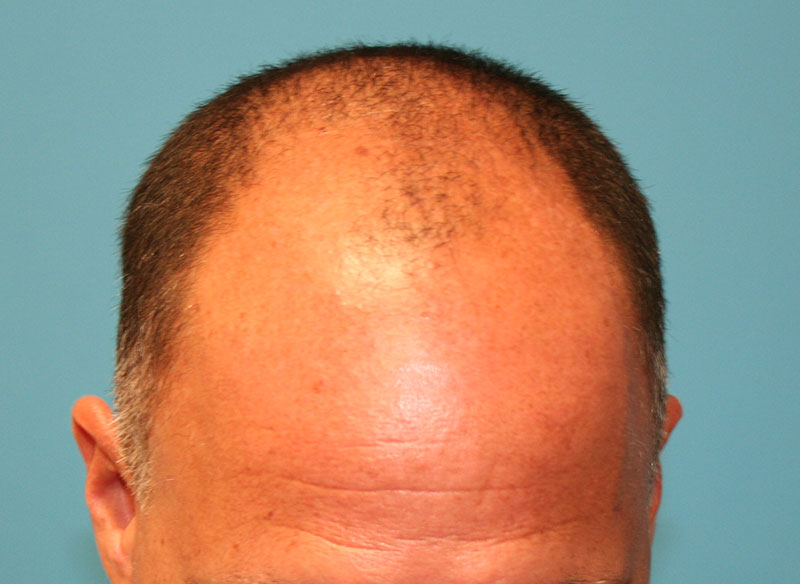
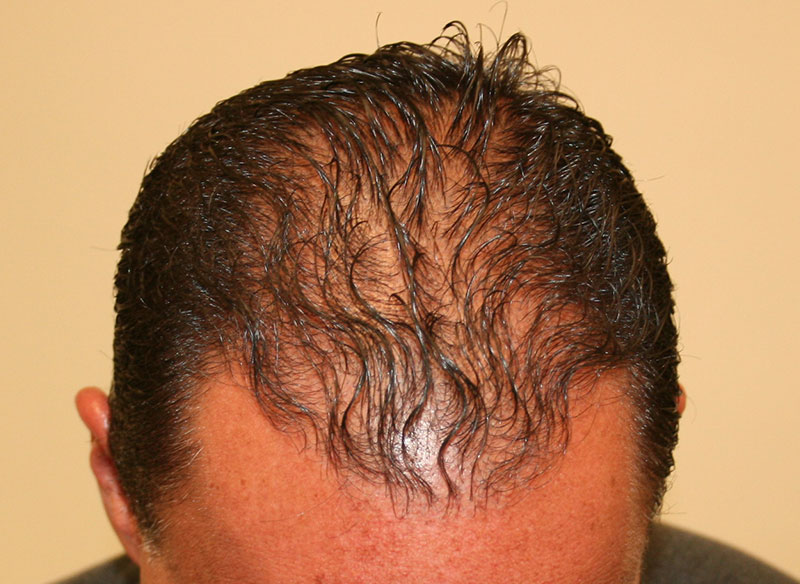
Photo Gallery

BeforeAfter

View before-and-after pictures of real patients of Dr. Glenn M. Charles

Thank you, Charles Medical Group

I got a FUT procedure at Charles Medical last week and couldn’t be happier about the decision. Dr. Charles and his highly skilled team demonstrated unparalleled professionalism and expertise throughout the entire process. From the initial consultation, where Dr. Charles thoroughly assessed my needs and explained the procedure in detail, to the post-surgery care, their commitment to excellence was evident at every step.

M. Turcotte

Schedule a Follicular Unit Transplantation Consultation

Explore your hair-loss treatment options with hair restoration in Boca Raton, FL . Call Dr. Glenn M. Charles today to arrange a consultation with your skincare expert regarding your hair-thinning problems.

Understanding the Difference Between FUG, FUT, and FUE

Patients researching Boca Raton Hair Transplant Follicular Unit Grafting (FUG) often come across related terms such as FUT and FUE. These procedures all involve transplanting follicular units, but the main difference is how the donor hair is harvested.

FUT / Follicular Unit Grafting

In FUT, also called strip harvesting, a thin strip of scalp is removed from the donor area. That strip is then carefully dissected under magnification into individual follicular unit grafts. Those grafts are then transplanted into the recipient areas.

FUE / Follicular Unit Excision

In FUE, the surgeon removes follicular units directly from the donor scalp one by one, rather than taking a strip of tissue.

The Implantation Stage Matters in Both

Whether the grafts are collected by FUT or FUE, the artistry of implantation is critical. Tiny recipient sites must be made with attention to angle, direction, spacing, and density. This is what helps Boca Raton Hair Transplant Follicular Unit Grafting (FUG) deliver results that blend naturally with existing hair.

Why Charles Medical Group Emphasizes a Personalized Consultation

A successful hair transplant is not just about moving hair from one place to another. It is about planning for both the present and the future. At Charles Medical Group, the consultation process is designed to determine whether a patient is truly a good candidate for Boca Raton Hair Transplant Follicular Unit Grafting (FUG) and what type of result is realistic.

Dr. Glenn Charles uses a detailed evaluation process that takes into account many factors, including:

  • The size and shape of the patient’s head
  • The size of the donor area
  • Donor hair density
  • Hair caliber and hair characteristics
  • The amount of thinning or baldness in the target area
  • Whether hair still remains in the thinning zone
  • Age
  • Family history of hair loss
  • The likely future progression of hair loss
  • The patient’s expectations and goals

This process matters because a patient may continue losing native hair over time. A hair restoration plan should account for that possibility. During consultation, realistic expectations are discussed, including future hair loss scenarios, so the patient can decide whether Boca Raton Hair Transplant Follicular Unit Grafting (FUG) fits their goals.

Boca Raton Hair Transplant Follicular Unit Grafting (FUG) for Natural Hairlines and Maximum Graft Yield

Many patients who choose Boca Raton Hair Transplant Follicular Unit Grafting (FUG) are focused on two major goals: a natural-looking result and the ability to move a large number of grafts efficiently.

Natural-Looking Hairline Design

A successful hair transplant should not look transplanted. It should look like your own hair. Proper hairline design avoids harsh lines, unusual density patterns, and unnatural placement. By using follicular units and placing them strategically, the final result can appear soft and realistic.

High Graft Numbers in a Single Session

One of the major strengths of FUT/FUG is that it often allows more grafts to be harvested in one session than other methods. For patients who need broader coverage in the frontal scalp, mid-scalp, or crown, this can be a major advantage.

Efficient Use of the Donor Area

Because donor hair is limited, every graft matters. Boca Raton Hair Transplant Follicular Unit Grafting (FUG) can be an efficient choice for patients who want to maximize donor use and pursue a larger procedure in one setting.


FAQ’s

There is no specific age to be a candidate for hair transplantation. In most cases we prefer the patient to be over 25yrs old but there are always exceptions to the rule. Each patient should be looked at based upon their particular circumstances.
Not all people are candidates for hair transplantation. It really depends on several factors including amount of hair loss, quality of donor hair, type and color of hair, patient’s expectations and cause of hair loss.
It is important to set up a consultation to discuss your options and see if you are a good candidate. A hair restoration physician would have to determine if a person is a candidate for hair transplantation. An in office consultation is preferable but if not possible a virtual on-line consultation can also be done.

Patients considering Boca Raton Hair Transplant Follicular Unit Grafting (FUG) often want to know what to expect on procedure day. While each case is tailored to the patient, the process usually follows several important steps.

  1. Hairline and Treatment Area Design

The procedure begins with detailed planning. The hairline is designed to look natural and balanced with the patient’s facial structure, age, and long-term hair restoration needs.

  1. Donor Strip Removal

A strip of tissue is removed from the donor area, usually from the back of the scalp. This area is selected because it typically contains hair that is more resistant to pattern baldness.

  1. Donor Closure

The donor area is carefully closed. This leaves a thin linear scar that is usually concealed by surrounding hair once healed.

  1. Microscopic Graft Dissection

The donor strip is dissected into individual follicular unit grafts under magnification. Each graft may contain one, two, three, or four hairs.

  1. Recipient Site Creation

Tiny sites are created in the balding or thinning areas. The angle, direction, and spacing of these sites are carefully controlled.

  1. Graft Placement

Each graft is placed into the recipient area with precision to create a natural distribution and pattern of growth.

This technical and artistic process is one of the reasons Boca Raton Hair Transplant Follicular Unit Grafting (FUG)remains highly respected among hair restoration options.

The better procedure depends on the patient. There is no universal answer. The right choice depends on hairstyle preference, amount of hair loss, donor capacity, budget, and long-term goals.

FUT/FUG may be best for patients who:

  • Need a high number of grafts
  • Want maximum graft yield in one session
  • Usually wear their hair longer
  • Prefer a potentially more cost-effective option for larger cases

FUE may be best for patients who:

  • Prefer to wear very short hairstyles
  • Want to avoid a linear donor scar
  • Need a smaller number of grafts
  • Prefer a different harvesting method

For many individuals, Boca Raton Hair Transplant Follicular Unit Grafting (FUG) offers an ideal balance of density, efficiency, and value.

A good candidate for Boca Raton Hair Transplant Follicular Unit Grafting (FUG) typically has enough healthy donor hair to support transplantation and realistic expectations about what the procedure can achieve.

You may be a good candidate if you have:

  • Male or female pattern hair loss
  • A receding hairline
  • Crown thinning
  • Frontal thinning
  • Overall loss of density
  • Good donor hair on the back and sides of the scalp
  • Good general health
  • Reasonable expectations about density, hairline shape, and timeline

Patients with very early hair loss may benefit from non-surgical management first, while patients with more advanced hair loss may benefit from a larger graft session. The best way to know is through a personal consultation.

The cost of Boca Raton Hair Transplant Follicular Unit Grafting (FUG) depends on the details of your case. There is no one-price-fits-all answer because each patient’s hair loss pattern and treatment goals are different.

Factors that may affect cost include:

  • The number of grafts required
  • The extent of hair loss
  • The complexity of the procedure
  • Surgeon’s fees
  • Facility-related charges
  • Anesthesia
  • Pre-operative evaluation
  • Post-operative follow-up care

Patients seeking a quote should schedule a consultation so the treatment area, donor supply, and overall goals can be evaluated accurately.

Even if you are a candidate for Boca Raton Hair Transplant Follicular Unit Grafting (FUG), protecting your existing hair remains important. Hair transplantation restores hair to areas of loss, but it does not stop future loss in untreated areas.

That is why a complete hair restoration strategy may also include hair preservation recommendations, medical evaluation, and follow-up care. Long-term planning is one of the most important parts of achieving a result that continues to look balanced over time.

Patients with thinning hair can often improve the look and feel of their hair by being gentle with it every day. While these steps do not reverse genetic hair loss, they may reduce breakage and improve cosmetic appearance.

Helpful care tips include:

  • Wash your hair regularly with a mild shampoo
  • Avoid harsh rubbing after washing
  • Pat hair dry gently with a soft towel
  • Use a low-heat setting if blow drying
  • Consider letting the hair air dry when possible
  • Use a soft-bristle brush
  • Avoid pulling through tangles aggressively
  • Use a detangling conditioner or cream rinse if needed
  • Avoid unnecessary heat or damaging styling practices

Patients searching for Boca Raton Hair Transplant Follicular Unit Grafting (FUG) want more than a procedure. They want experience, precision, honesty, and a treatment plan that makes sense for their long-term goals.

Charles Medical Group offers patients in Boca Raton a sophisticated, personalized approach to hair restoration. Dr. Glenn Charles is known for carefully evaluating candidacy, donor density, future hair loss, and patient expectations before recommending surgery. That attention to detail matters because the best results come from combining surgical technique with sound long-term planning.

Patients choose Charles Medical Group because they want:

  • A personalized consultation
  • An evidence-based treatment plan
  • Natural-looking hairline design
  • Careful donor management
  • A surgeon-focused approach
  • A practice with extensive experience in hair restoration

If you want a tailored plan for restoring thinning hair, rebuilding your hairline, or improving density, Boca Raton Hair Transplant Follicular Unit Grafting (FUG) at Charles Medical Group may be the right next step.

Your Content Goes Here

Hair restoration develops gradually. Transplanted hairs typically shed first, and new growth appears over time. Patients should understand that the final cosmetic improvement is a process rather than an overnight result.

Cost depends on the number of grafts, the complexity of the procedure, surgeon fees, facility-related charges, anesthesia, and other case-specific factors.

Candidates usually have sufficient donor hair, visible thinning or baldness, good general health, and realistic expectations. A consultation is the best way to determine candidacy.

Some women with appropriate donor hair and suitable hair loss patterns may be candidates. The right treatment depends on the cause and distribution of hair loss.

Charles Medical Group offers a personalized evaluation process, careful planning, and a strong focus on natural-looking results and long-term hair restoration strategy.

This would only be possible if you have an identical twin. If you received hair, follicles from someone else your body would likely reject it. I have performed a hair transplant on a set of identical twins, and it was very successful.
Depending on the type of surgery, you need to undertake some preoperative preparation. This may include avoiding certain medications including but not limited to aspirin and any blood thinners. Also, we recommend discontinuing any multi vitamins and the use of alcohol for 1 week prior to surgery.
It would depend on the number of grafts that you are getting, and the type of procedure you are having. Generally, the surgery lasts between 4-6 hours. There are other factors including but not limited to the patient clotting ability and type of skin that can also play a role in how long an HT procedure takes.

Patients often ask why they should consider Boca Raton Hair Transplant Follicular Unit Grafting (FUG) over other options. The answer usually comes down to efficiency, quality, and long-term planning.

Major advantages include:

More Grafts in One Session

FUT/FUG can often provide more grafts during a single procedure than other methods.

Excellent for Larger Cases

Patients with more significant hair loss may benefit from the ability to restore larger areas without requiring as many separate sessions.

Strong Cosmetic Improvement

Well-planned follicular unit placement can improve density, frame the face, and restore a more youthful appearance.

Natural Growth Pattern

Because naturally occurring follicular units are transplanted, the results can look consistent with normal scalp hair growth.

Potential Cost Efficiency

For patients requiring a large graft count, Boca Raton Hair Transplant Follicular Unit Grafting (FUG) may provide a favorable cost-benefit profile.

Every surgical procedure has tradeoffs, and Boca Raton Hair Transplant Follicular Unit Grafting (FUG) is no exception.

Linear Scar

FUT creates a thin linear scar in the donor area. In most patients, it is well hidden by surrounding hair, but patients who prefer very short haircuts may be more concerned about it.

Slightly Longer Recovery

Because the donor area is surgically closed, recovery may be somewhat longer than with FUE.

Sutures or Closure Care

Patients must follow donor area aftercare instructions carefully to support good healing.

These factors do not make FUT a poor option. They simply mean that the choice between FUT and FUE should be made carefully and based on the individual patient.

Recovery is an important part of the process, and patients considering Boca Raton Hair Transplant Follicular Unit Grafting (FUG) should know what the healing period typically involves.

Common aspects of recovery may include:

  • Mild soreness or tightness in the donor area
  • Temporary scabbing in the recipient area
  • Post-procedure instructions for washing and scalp care
  • A healing period for the donor incision
  • Initial shedding of transplanted hairs before regrowth begins
  • Gradual new hair growth over the following months

Patients should understand that hair transplantation results are not immediate. The transplanted hair usually sheds early, and new hair growth develops gradually over time. Patience is an important part of the process.

Hair loss does not have to define your appearance. If you are dealing with thinning hair, a receding hairline, or visible balding, learning more about Boca Raton Hair Transplant Follicular Unit Grafting (FUG) can help you understand your options.

A consultation at Charles Medical Group can help answer important questions such as:

  • Am I a candidate for FUG?
  • How many grafts might I need?
  • Should I choose FUT or FUE?
  • What kind of density can I realistically expect?
  • What will recovery involve?
  • What is the likely cost of treatment?

The best hair restoration plans are personalized, realistic, and designed with both present appearance and future hair loss in mind. Charles Medical Group is proud to help Boca Raton-area patients explore advanced solutions for long-term, natural-looking hair restoration.

It refers to a hair restoration procedure in which follicular units are harvested from the donor area and transplanted into thinning or balding areas. In the Boca Raton setting, it describes this service as performed for patients seeking hair restoration through Charles Medical Group.

FUG is often used in connection with FUT because FUT is a method of harvesting follicular unit grafts from a donor strip. The terms are closely related in hair restoration discussions.

The transplanted hair is typically taken from areas of the scalp that are more resistant to pattern baldness, which is why it is considered a long-term restoration option. However, patients may still continue to lose non-transplanted hair elsewhere on the scalp.

When grafts are placed carefully according to natural angle, direction, and density patterns, results can look very natural. Hairline design and graft placement technique are key.

Yes. FUT/FUG typically leaves a thin linear scar in the donor area. In most cases, it is hidden by surrounding hair and becomes difficult to notice once healed.

Not necessarily. FUT may be better for patients who need more grafts in one session, while FUE may be better for patients who wear very short hair or want to avoid a linear scar. The right option depends on the patient.

That depends on the size of the area being treated, your hair density goals, donor supply, and hair characteristics. A consultation is needed to estimate graft count properly.
