
PRP and Non-Surgical Hair Loss Treatments Guide
For many people, the first clue is a little more scalp showing under the bathroom light. Thinning rarely happens overnight, and that gradual pace gives you a window to act. Follicles that are shrinking today can often still respond to the right support.

FUE vs. FUT Hair Transplant Comparison Guide
Why do two people with the same surgery describe such different experiences? One was back at work the next day. Another has a scar he never thinks about because his hair covers it. The harvesting method shapes the journey more than most people expect.

Celebrity Hair Transplants: Why Some Look More Natural Than Others
Some hair transplants are almost impossible to spot. Others catch your attention immediately, even when you cannot quite identify what looks different. As more public figures such as John Cena, Joel McHale, and AJ McLean have spoken openly about having hair transplants, hair restoration has become far less secretive.

GLP-1 Hair Loss: Why It Happens and What to Do Next
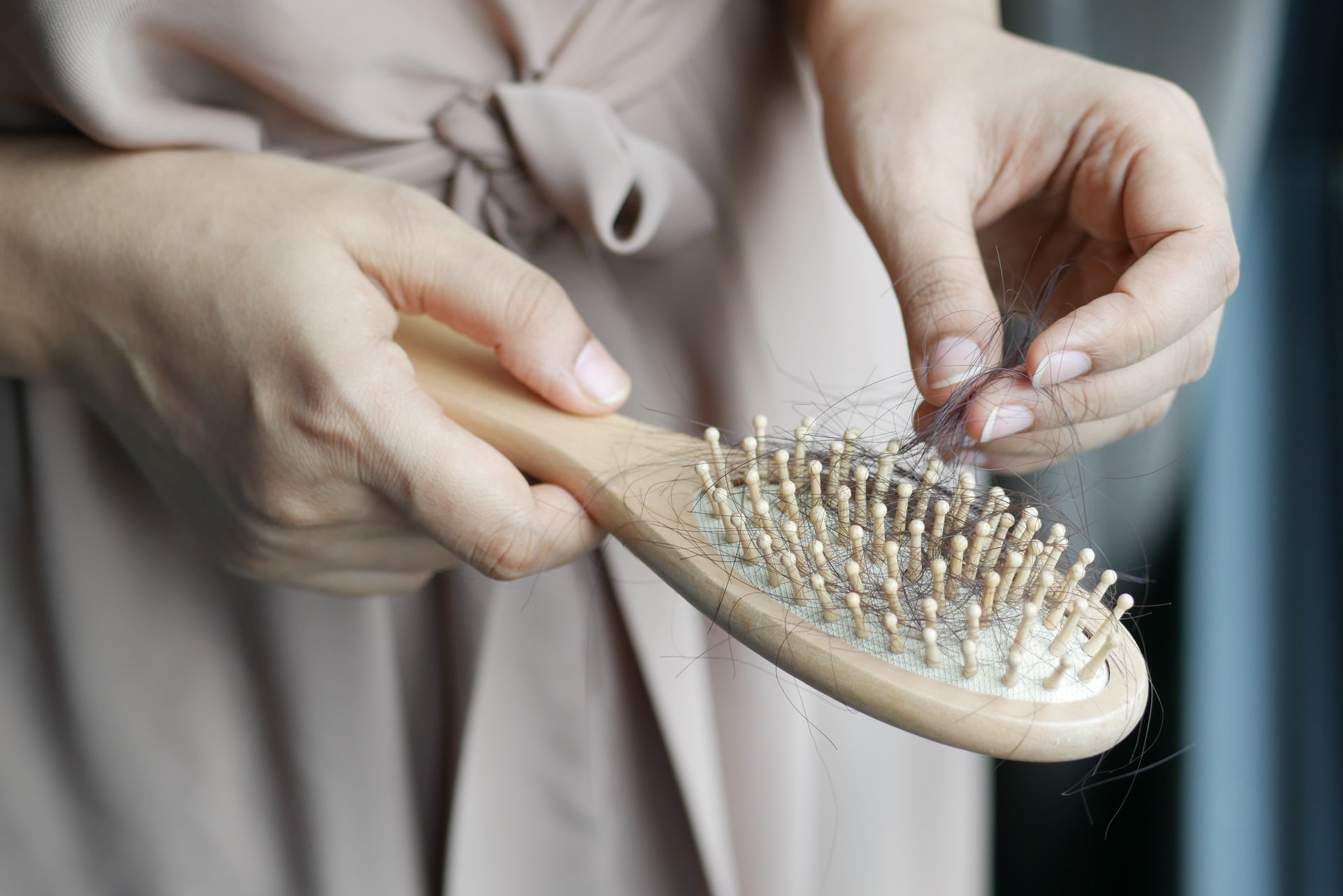
You are seeing progress with your weight, but suddenly your hair is changing too. Maybe there is noticeably more hair in the shower or on your brush, or your hair simply does not feel as full as it did a few months ago.
Scalp Micropigmentation Practitioner: The Medical-vs-Cosmetic Provider Framework That Tells You Exactly Who Should Assess, Plan, and Perform Your SMP
Not all scalp micropigmentation practitioners are equal—and the difference could mean a flawless result or a costly correction. This guide introduces the Provider Tier Framework, a clinically grounded structure that clarifies exactly who should assess, plan, and perform your SMP. Discover why medical context is the single most important variable in your outcome.

Hair Restoration Surgery Women: The Surgical Candidacy Gate That Separates the 2–5% Who Qualify From the Majority Who Need a Different Plan First
Only 2–5% of women experiencing hair loss are true surgical candidates—a biological reality most articles ignore. This candidacy-first guide explains exactly why the male-female gap exists, what clinical thresholds women must meet, and what surgery realistically looks like for those who qualify. If surgery isn't the right answer for you, understanding why is the most valuable outcome.

Does Stem Cell Hair Restoration Work? The 4-Tier Clinical Evidence Map That Separates Breakthrough Science From the $30,000 Marketing Trap
Does stem cell hair restoration work? In 2026, zero FDA-approved stem cell treatments exist for hair loss—yet the U.S. market exceeds $279 million. Our 4-Tier Clinical Evidence Map cuts through the marketing hype to show you exactly where the science stands, what's in the pipeline, and how to avoid costly unproven treatments.

Men’s Hair Loss Surgery: The 4-Tier Surgical Readiness Map That Tells You Which Procedure You Need—and Whether You’re Ready for It Now
Most men researching hair loss surgery jump straight to technique—FUE or FUT—before asking the right questions. This guide introduces a 4-Tier Surgical Readiness framework that helps you assess candidacy, timing, and strategy before any procedure decision. Walk into your consultation more informed than ever.
 Hair Transplant After 10 Years: The Permanence Gap Framework That Separates What Lasts Biologically From What Requires Active Protection to Preserve Your Result Gallery
Hair Transplant After 10 Years: The Permanence Gap Framework That Separates What Lasts Biologically From What Requires Active Protection to Preserve Your Result
Hair Transplant After 10 Years: The Permanence Gap Framework That Separates What Lasts Biologically From What Requires Active Protection to Preserve Your Result
A hair transplant can deliver permanent follicles, but your cosmetic result is a different story. Discover the Permanence Gap Framework that explains exactly what lasts biologically after 10 years and what requires active maintenance to protect your investment.